
Introduction
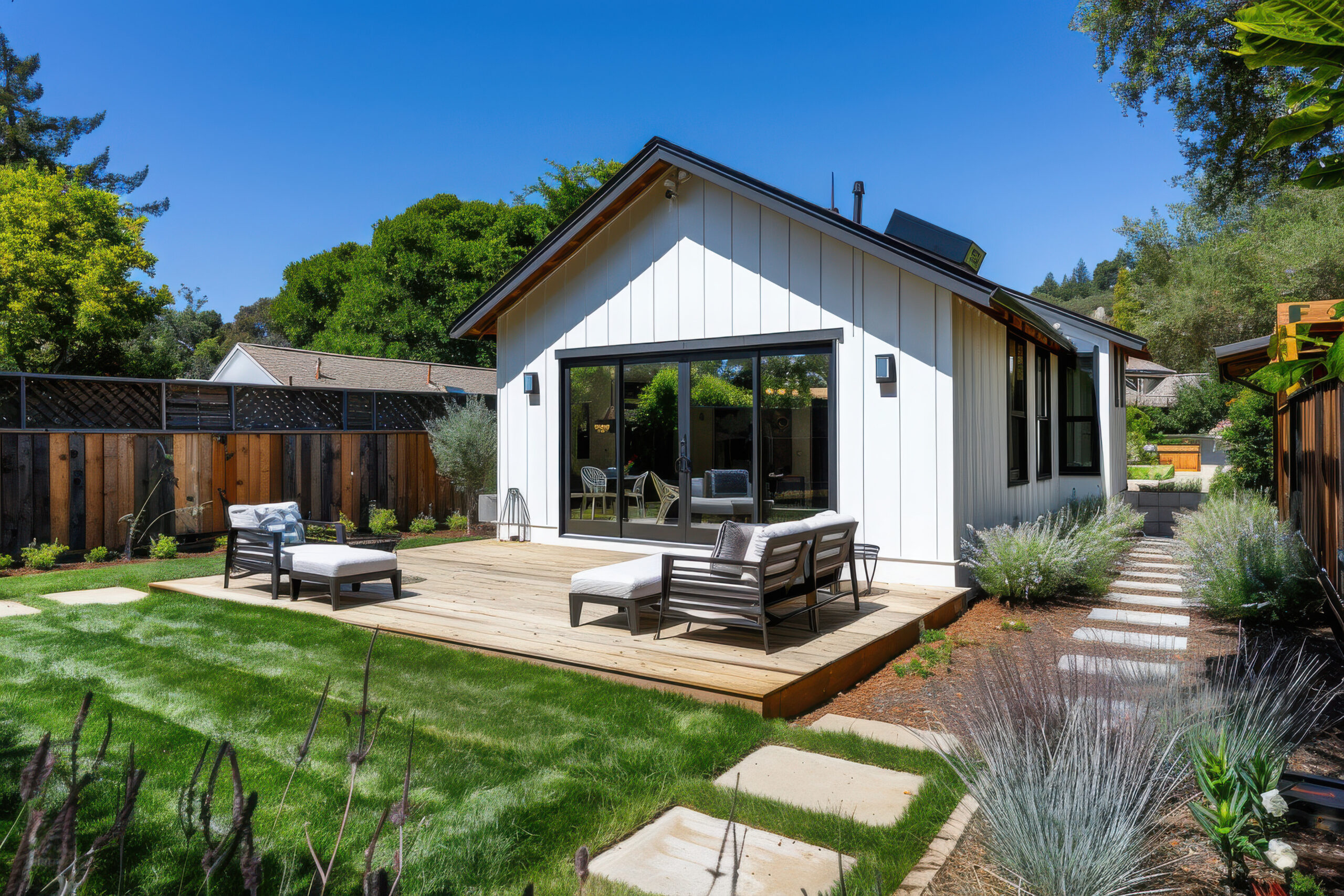
Accessory Dwelling Units (ADUs) are booming in California due to policy changes, housing demand, and flexible living needs. But there are key things homeowners should understand before breaking ground.
The 5 Things
- State Laws & Local Regulations Are Evolving
Recent California laws (2023–2024) have made it easier to permit ADUs, reducing some local barriers. HOA Law Blog
Still, each city may have unique setback, height, parking, or design standards you must comply with. - Permit & Approval Time — Don’t Underestimate It
Even with streamlined rules, municipal review times, utility company approvals, and inspections can delay projects.
For example, delays with utility providers like PG&E have held up ADU builds. San Francisco Chronicle - Financing & Costs Vary Widely
Costs depend on size, foundation type, finishes, and site conditions (e.g. grading, sewer connection).
But studies show that properties with ADUs in California often see higher appraised values than those without. FHFA.gov - Design & Site Planning Matter More Than You Think
Proper layout, orientation, window placement, and natural light can make a small ADU feel spacious.
Also plan for mechanical systems (plumbing, electrical, HVAC) early to avoid conflicts later. - Future Use & Flexibility
Think ahead — will it be for family, rental, guest, or resale? Laws like AB 1033 (allowing ADU sales) may affect your options. SnapADU+1
Also consider energy efficiency, accessibility, and sustainability features.
Building an ADU can offer rental income, multigenerational living, or added property value. But doing your homework upfront smooths the process.
Ready to explore ADU options for your property? Contact us to start a feasibility review.